Shared Grammar
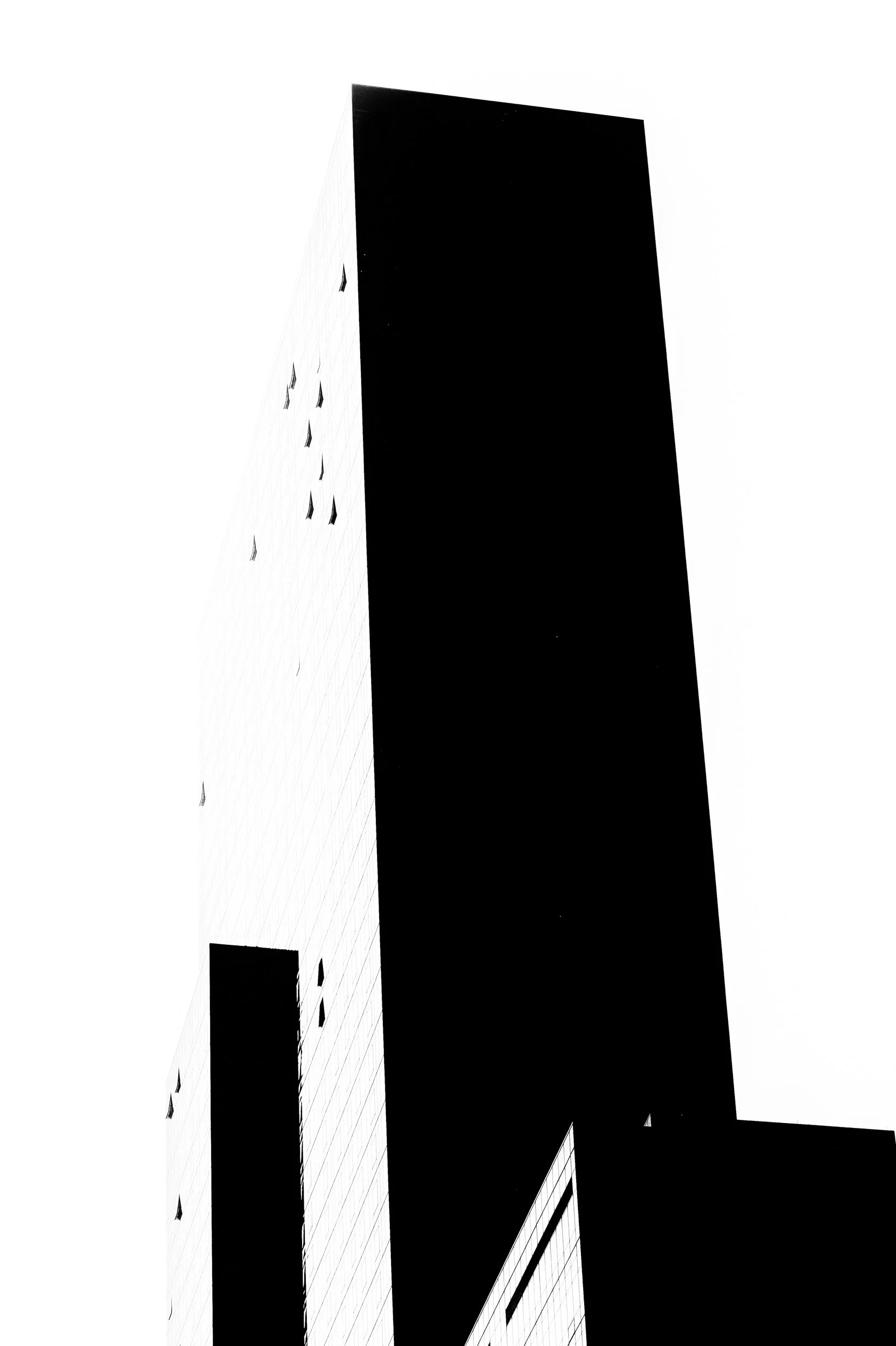
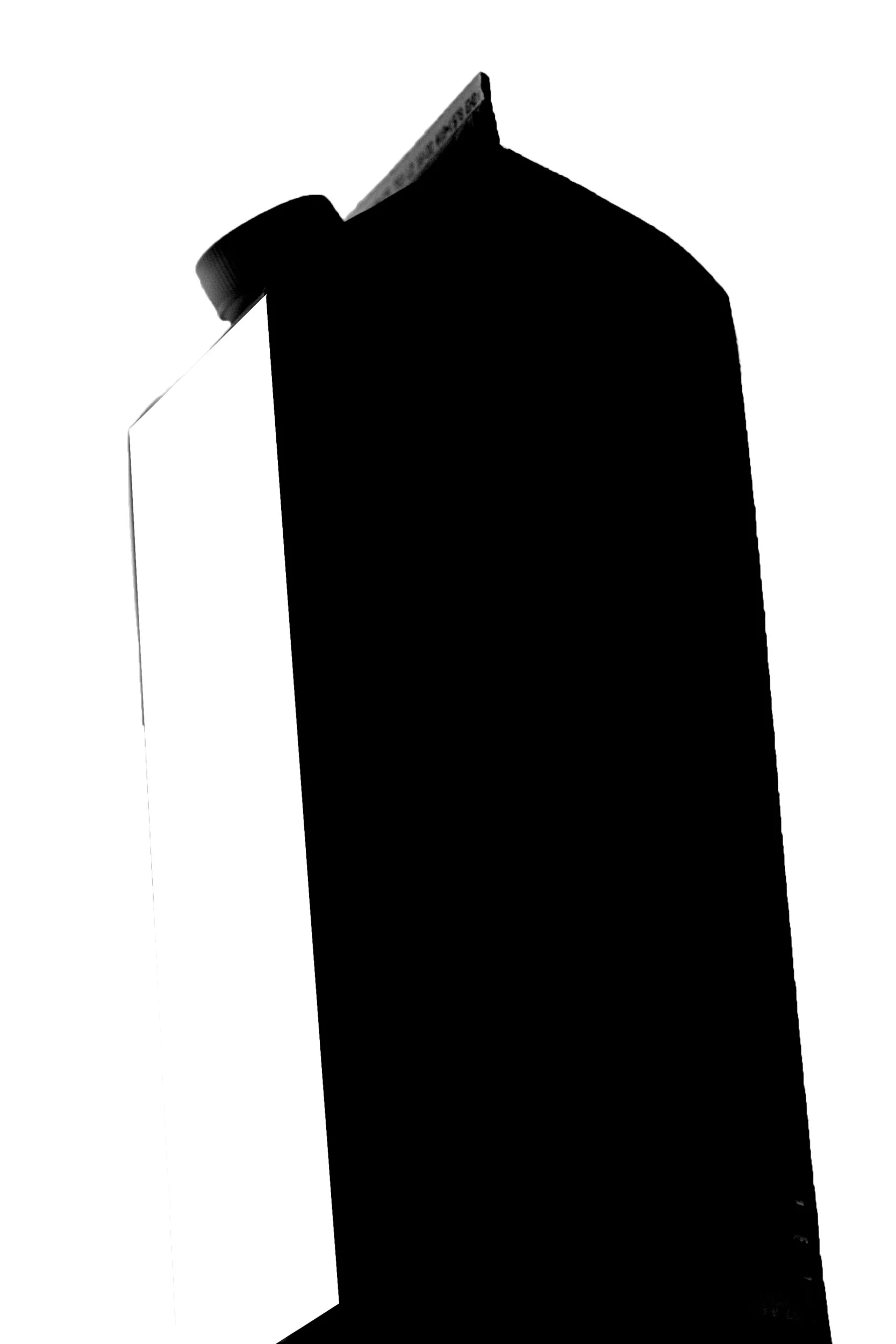
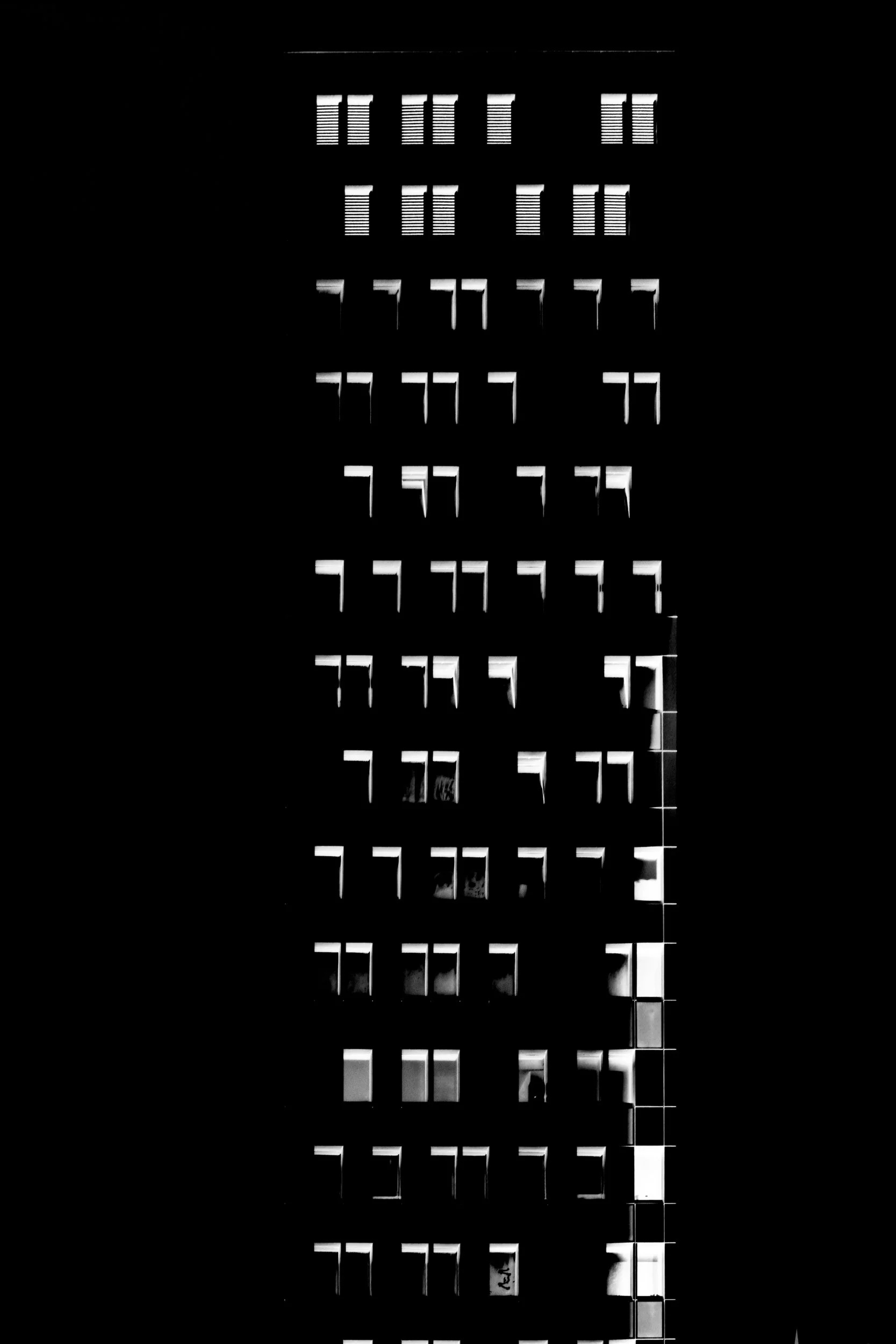
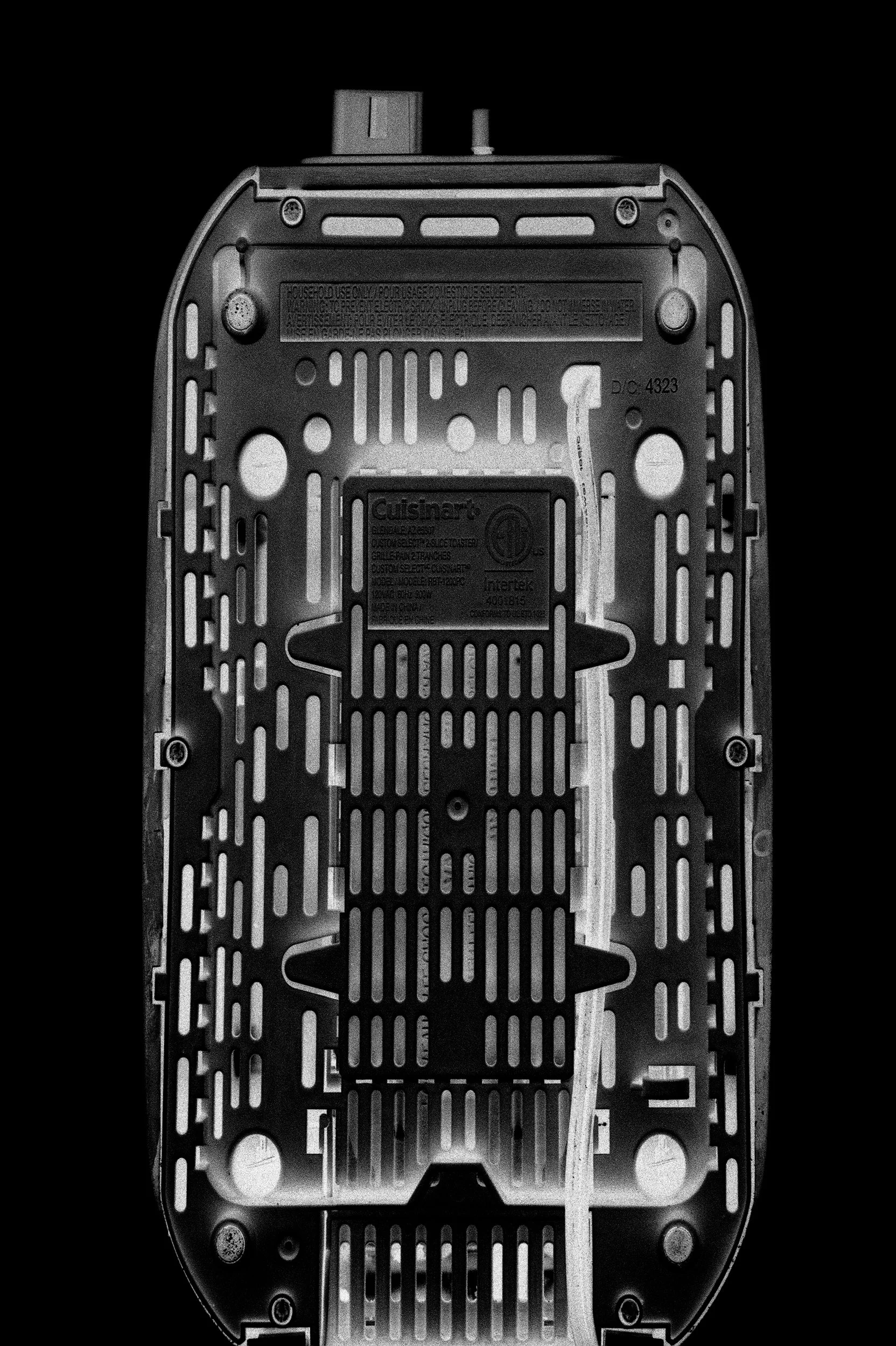
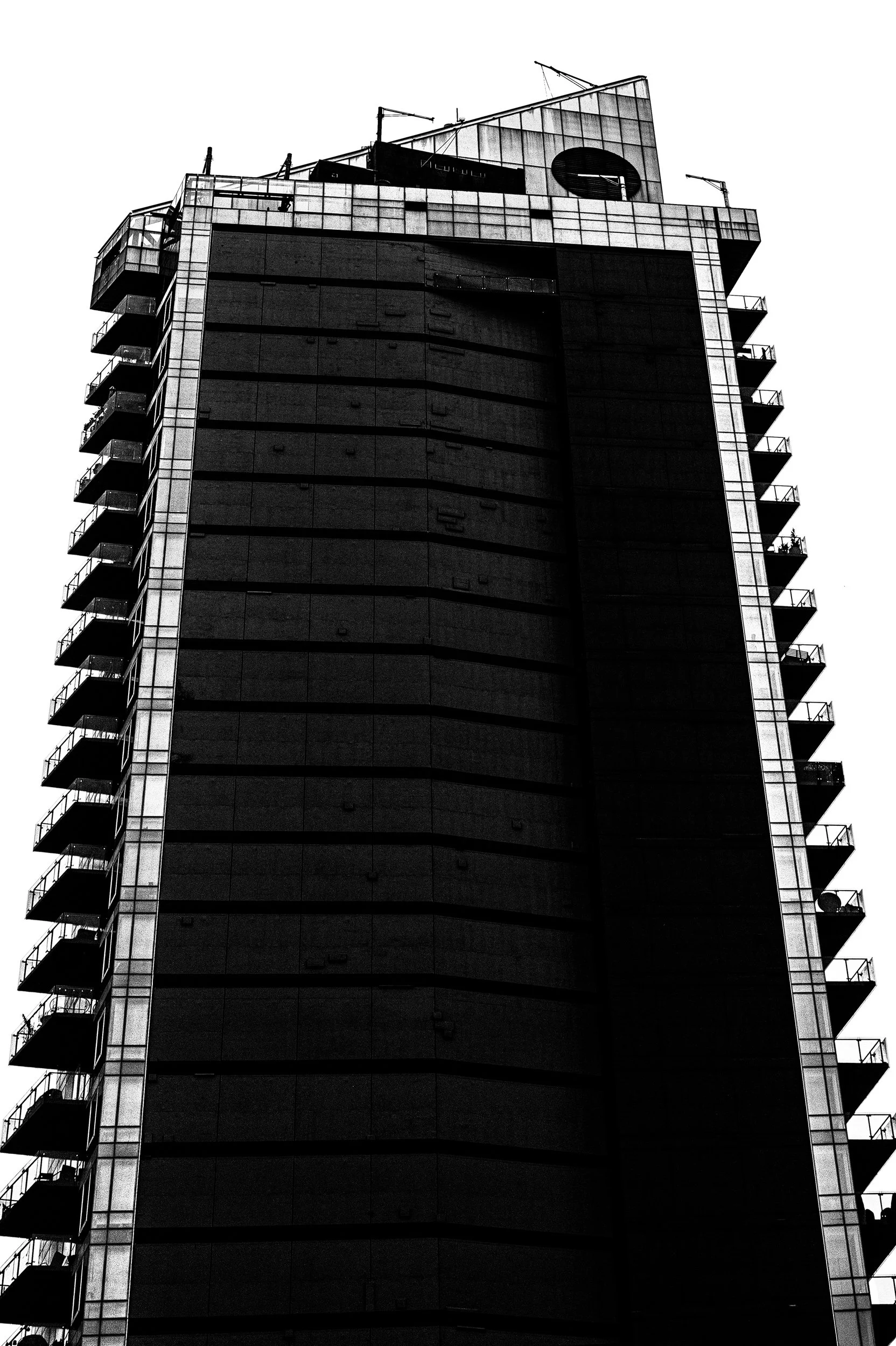
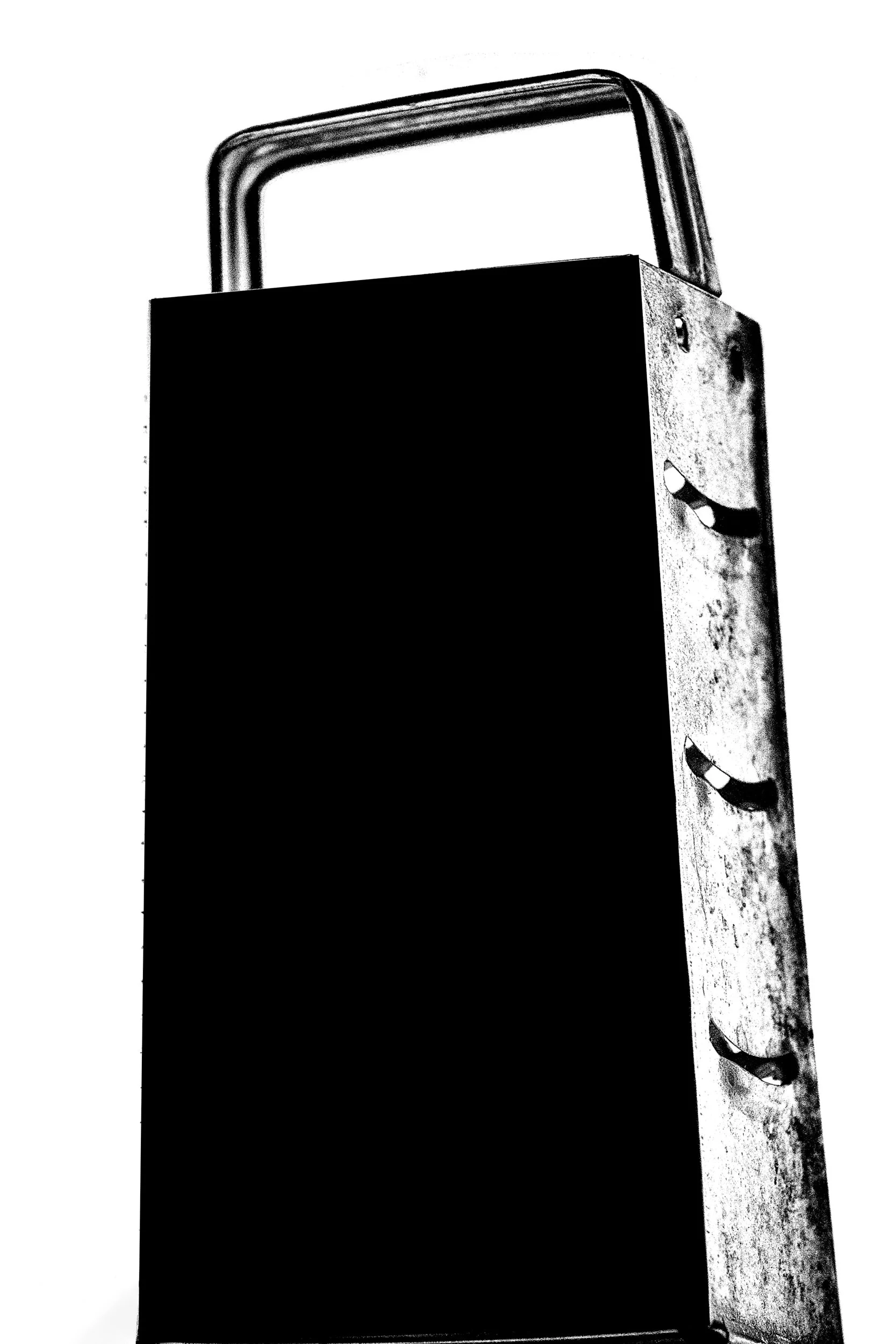
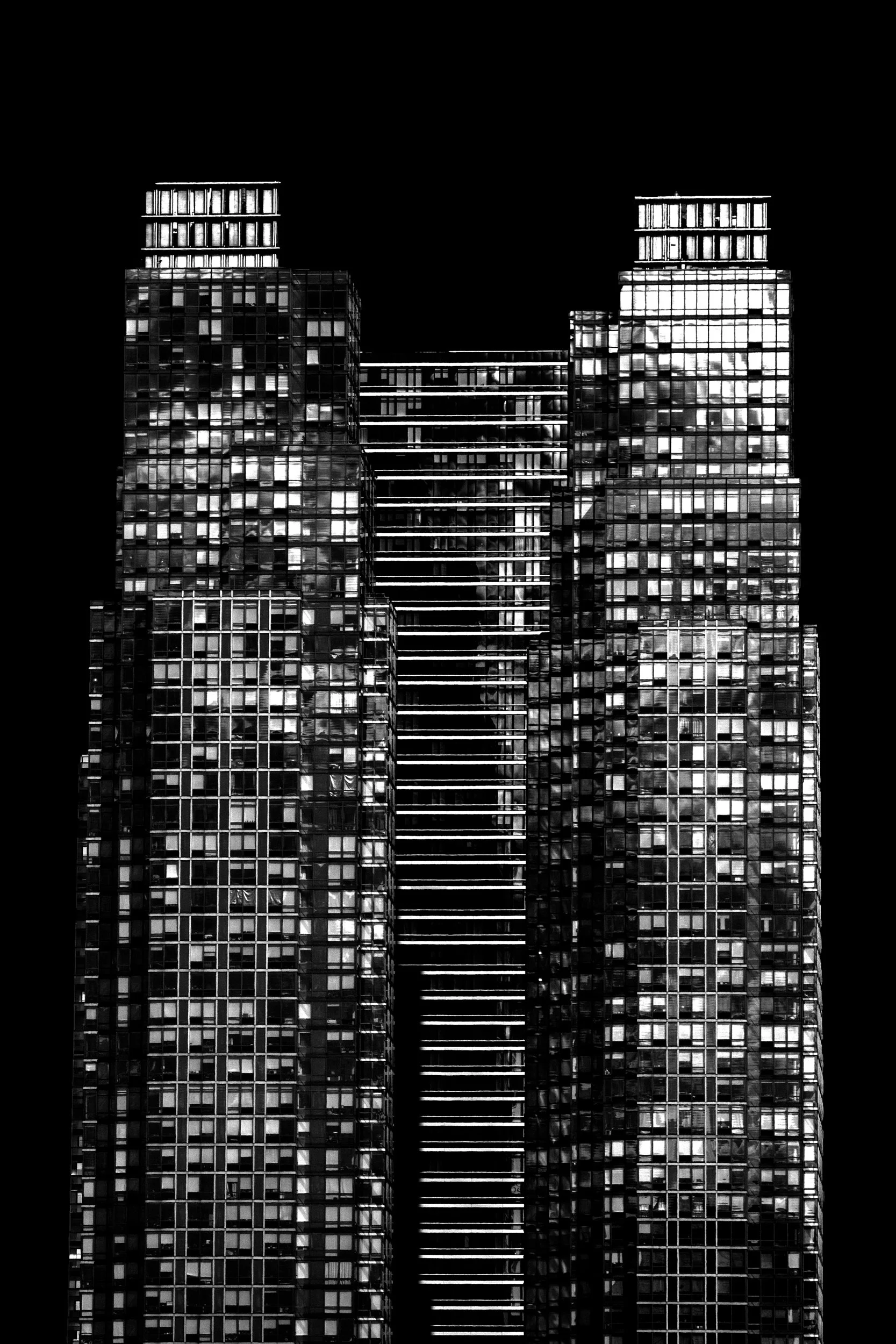
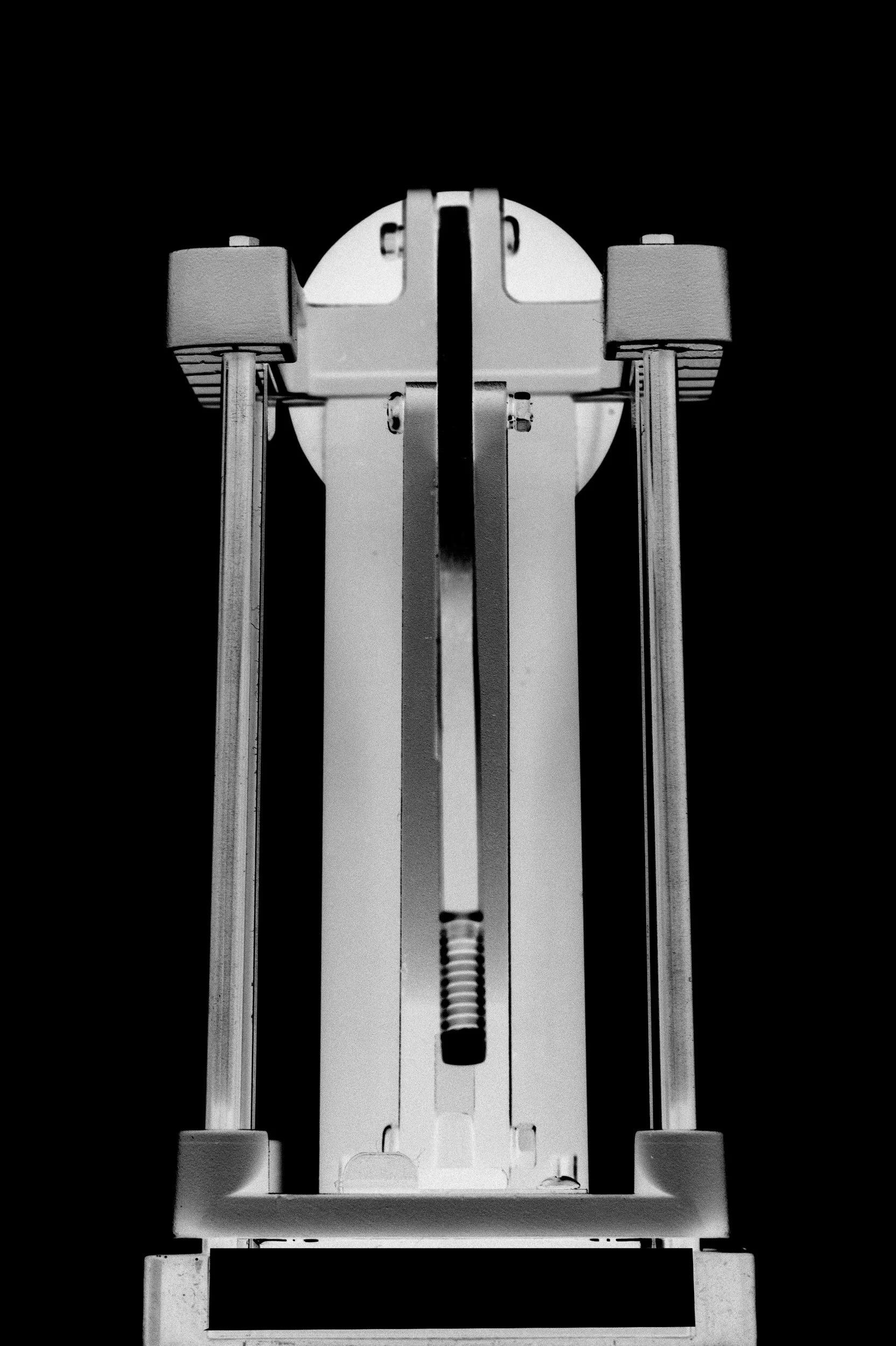
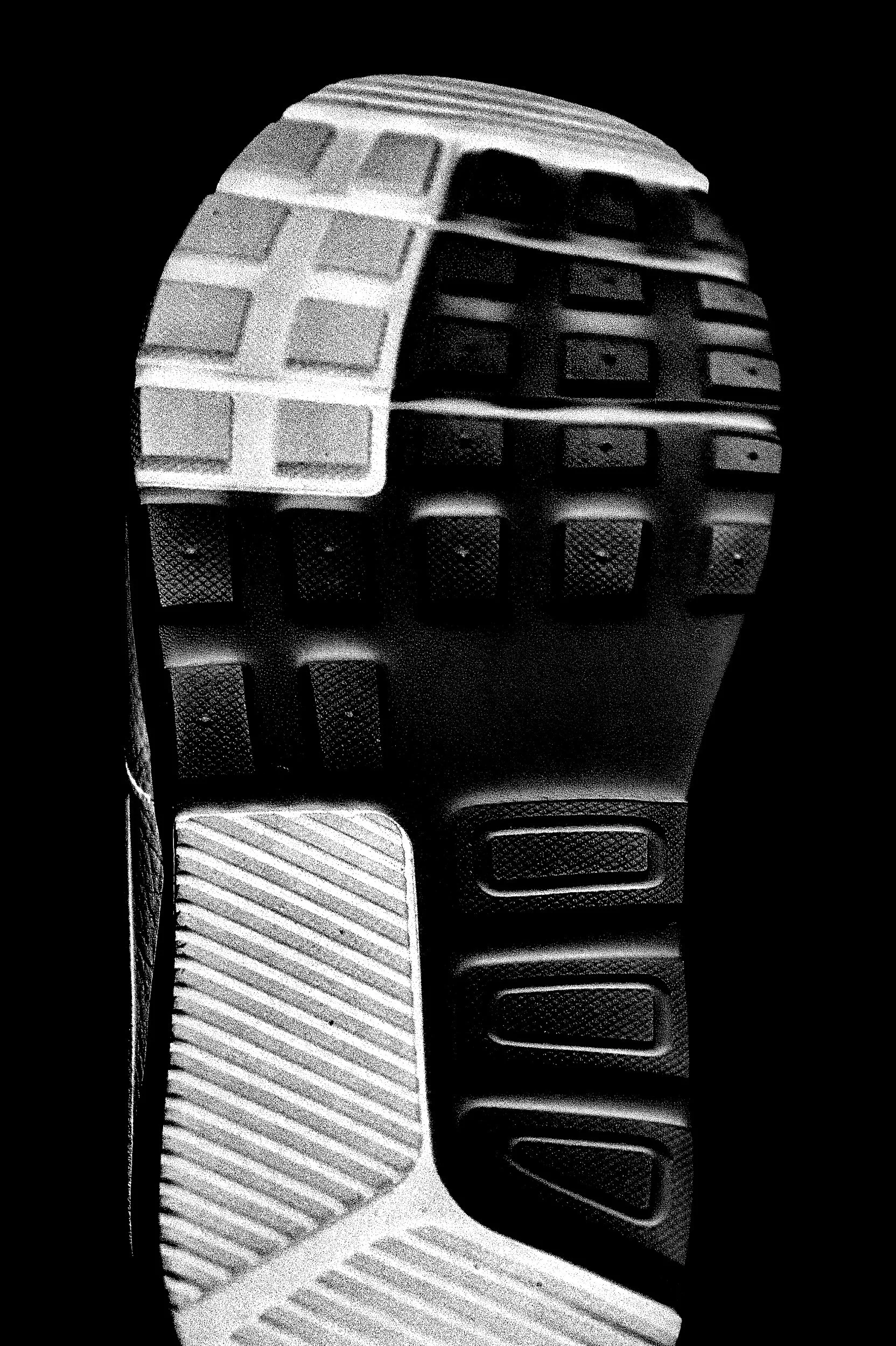
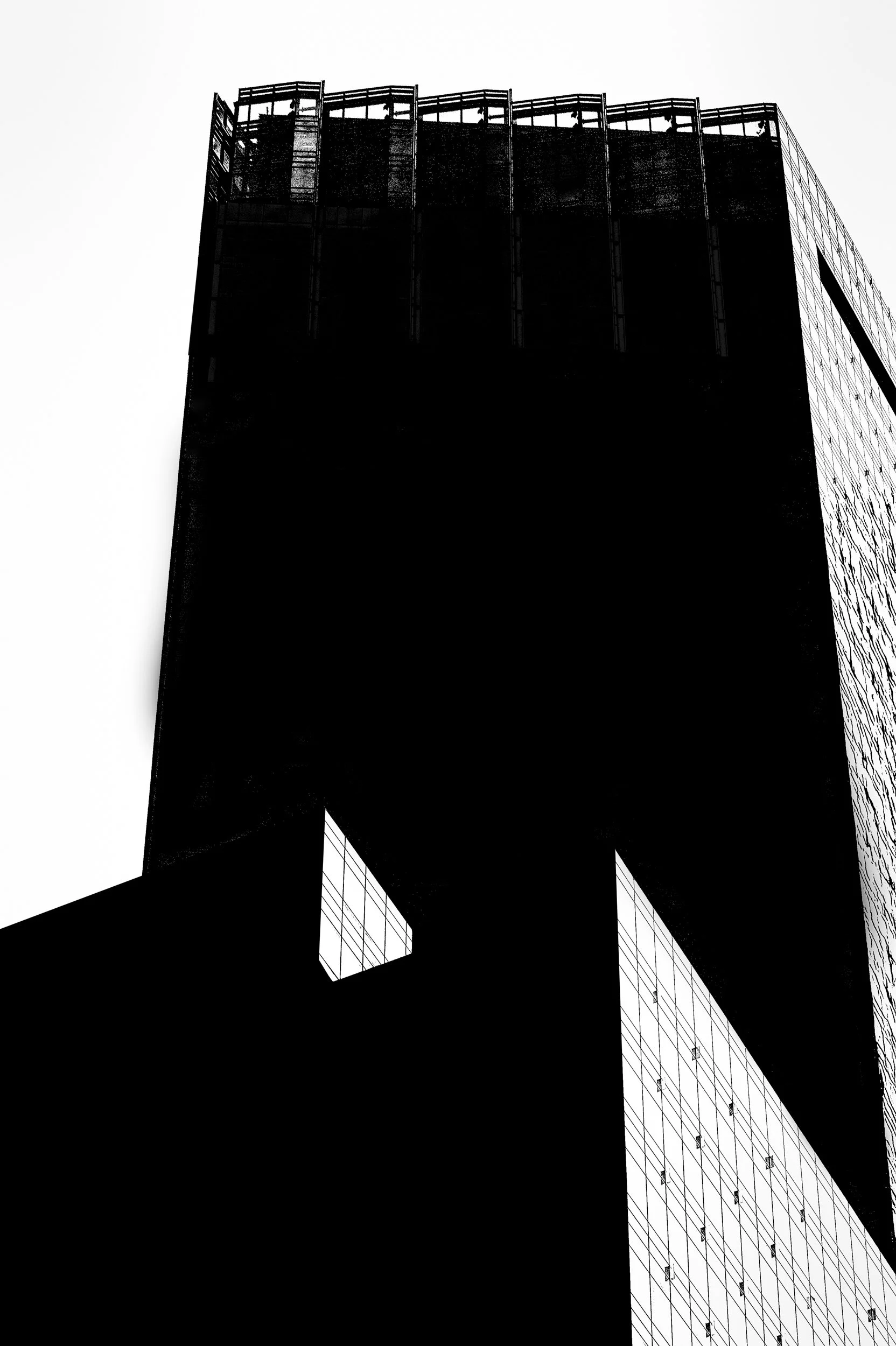
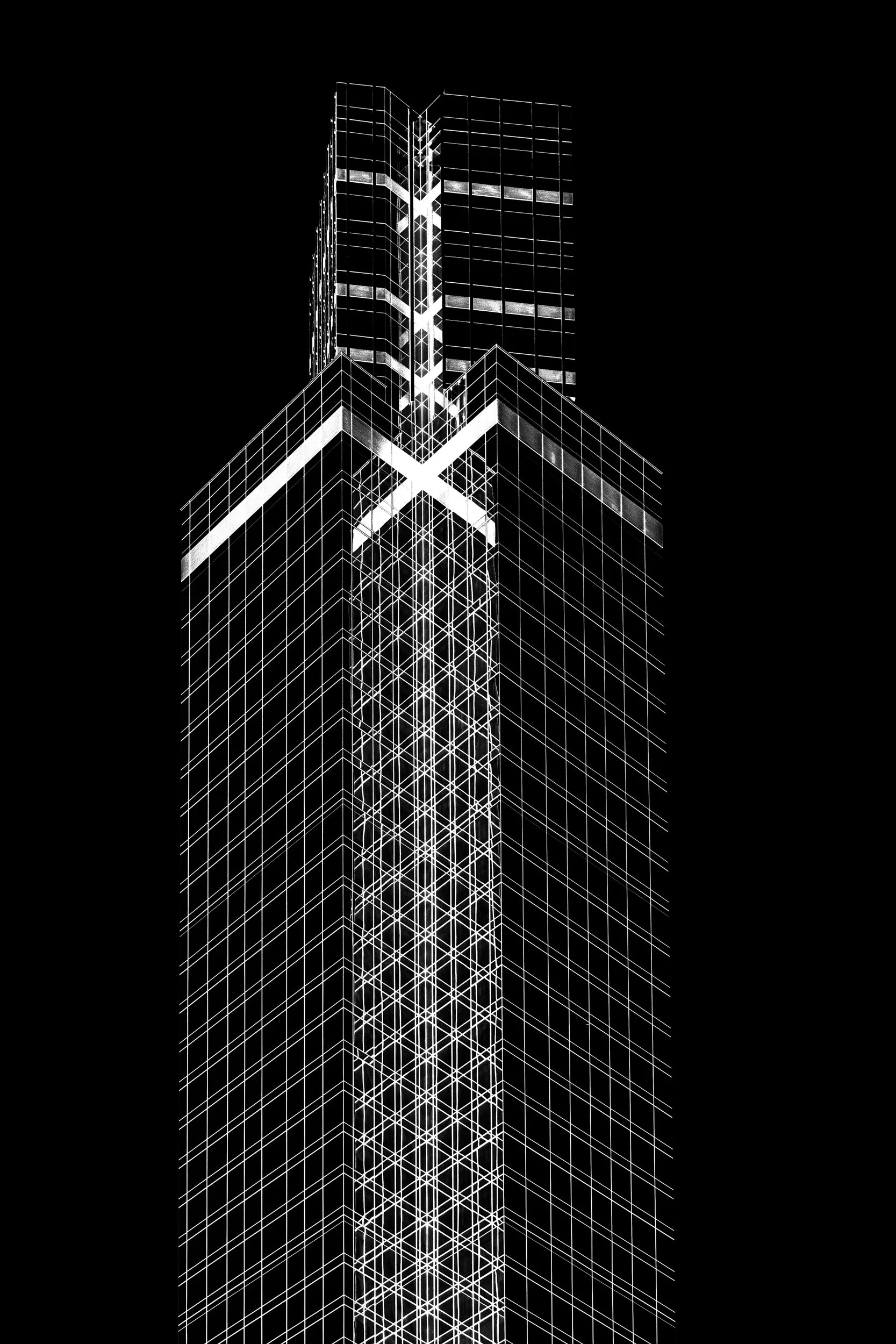
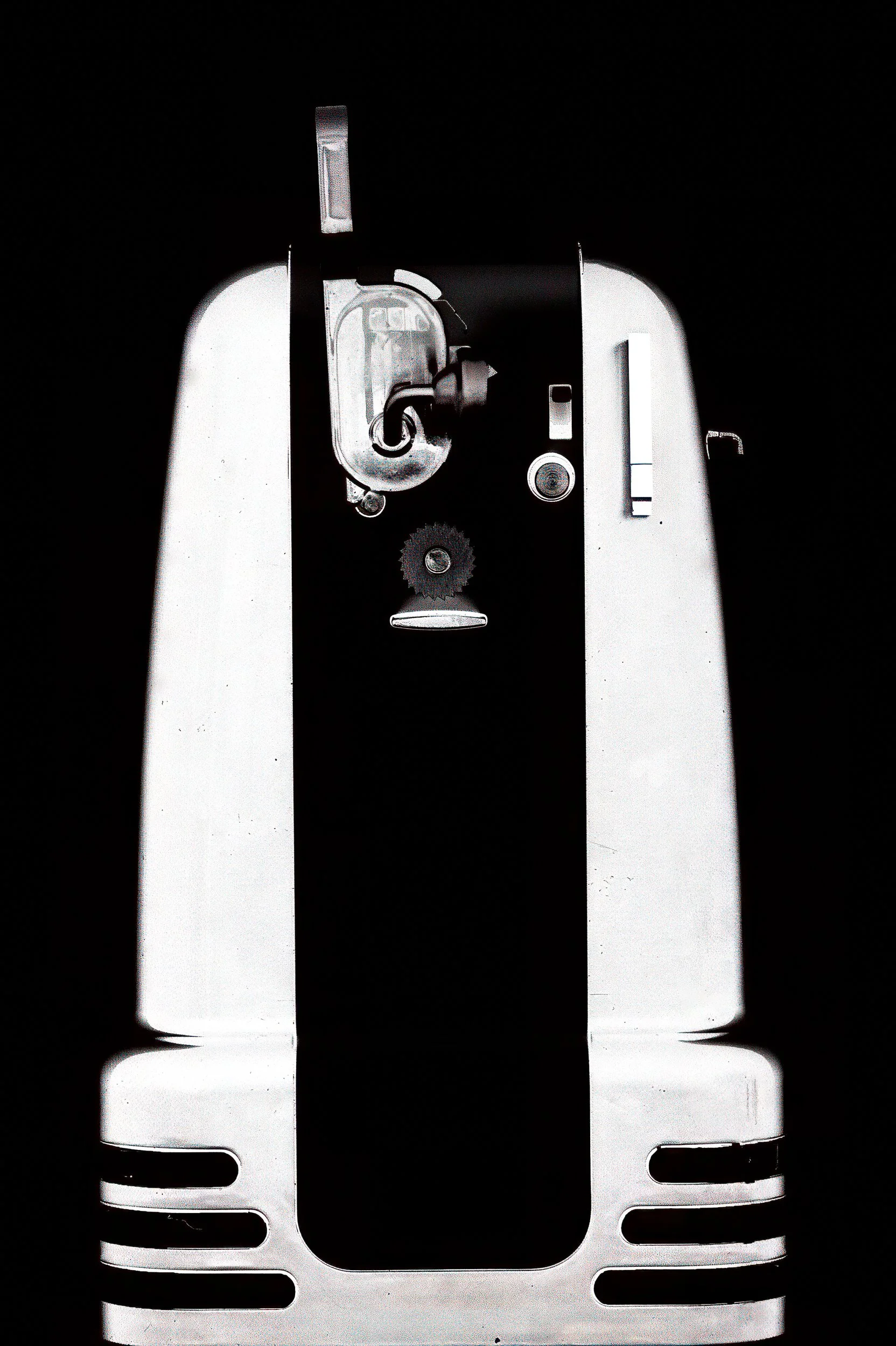
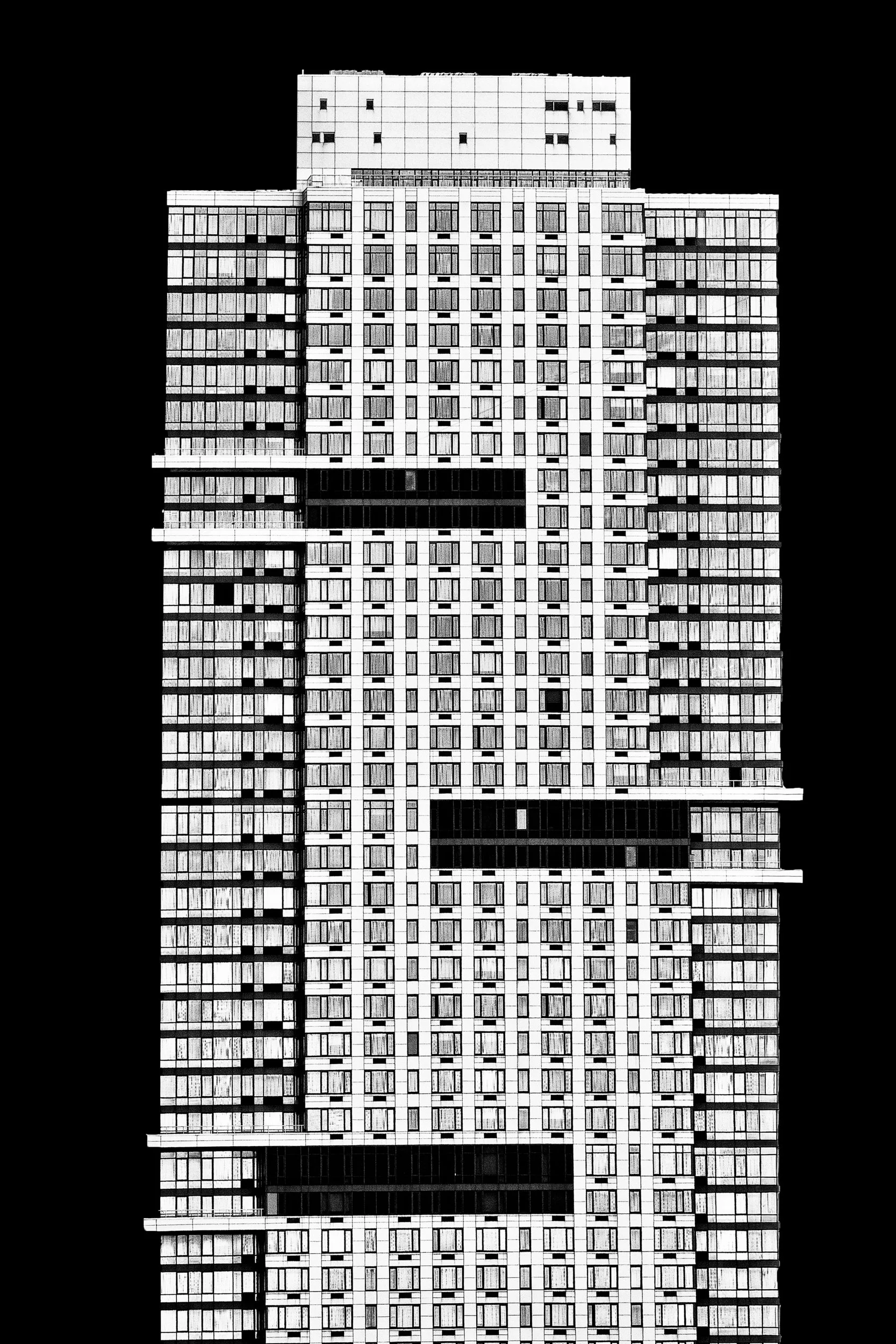
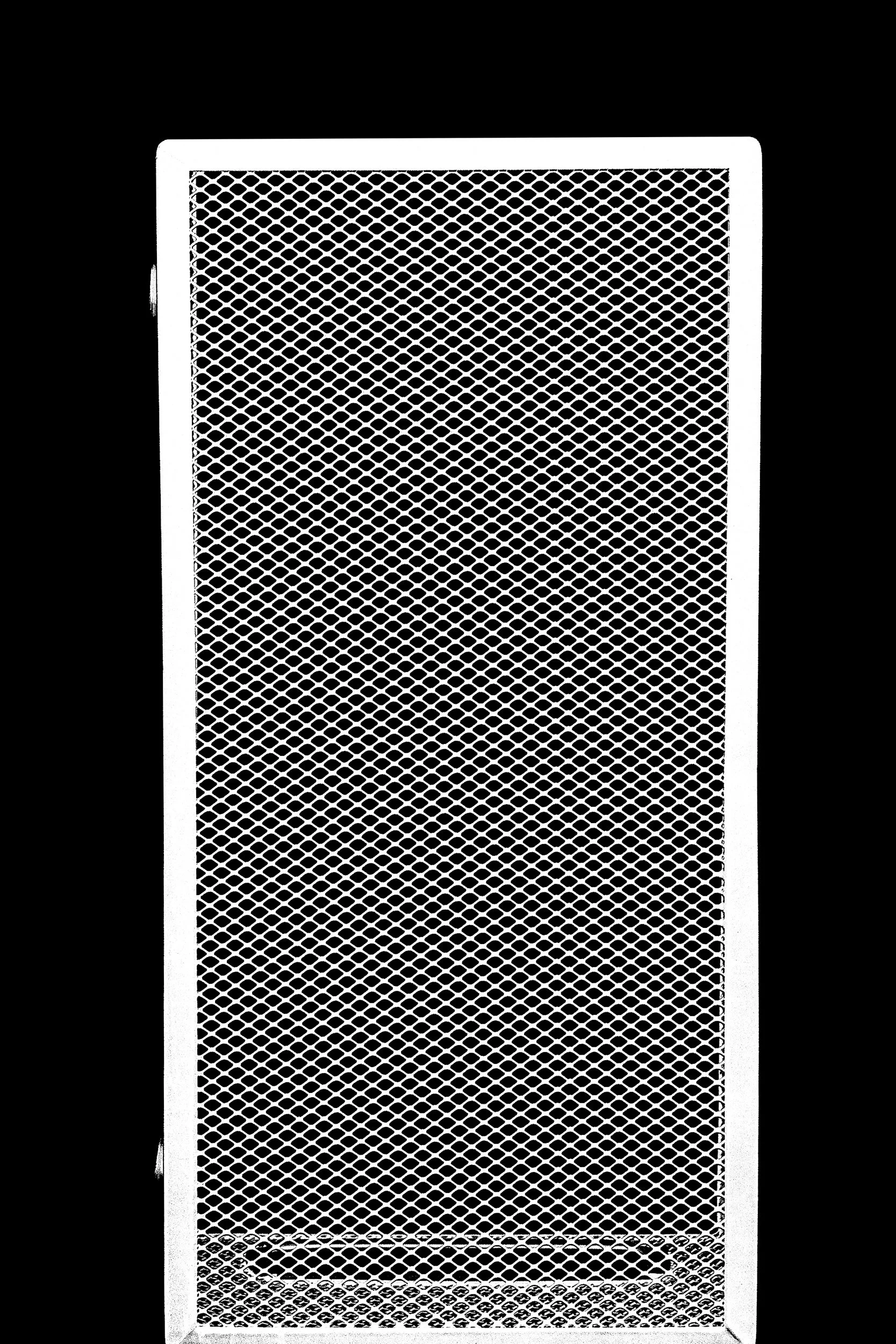
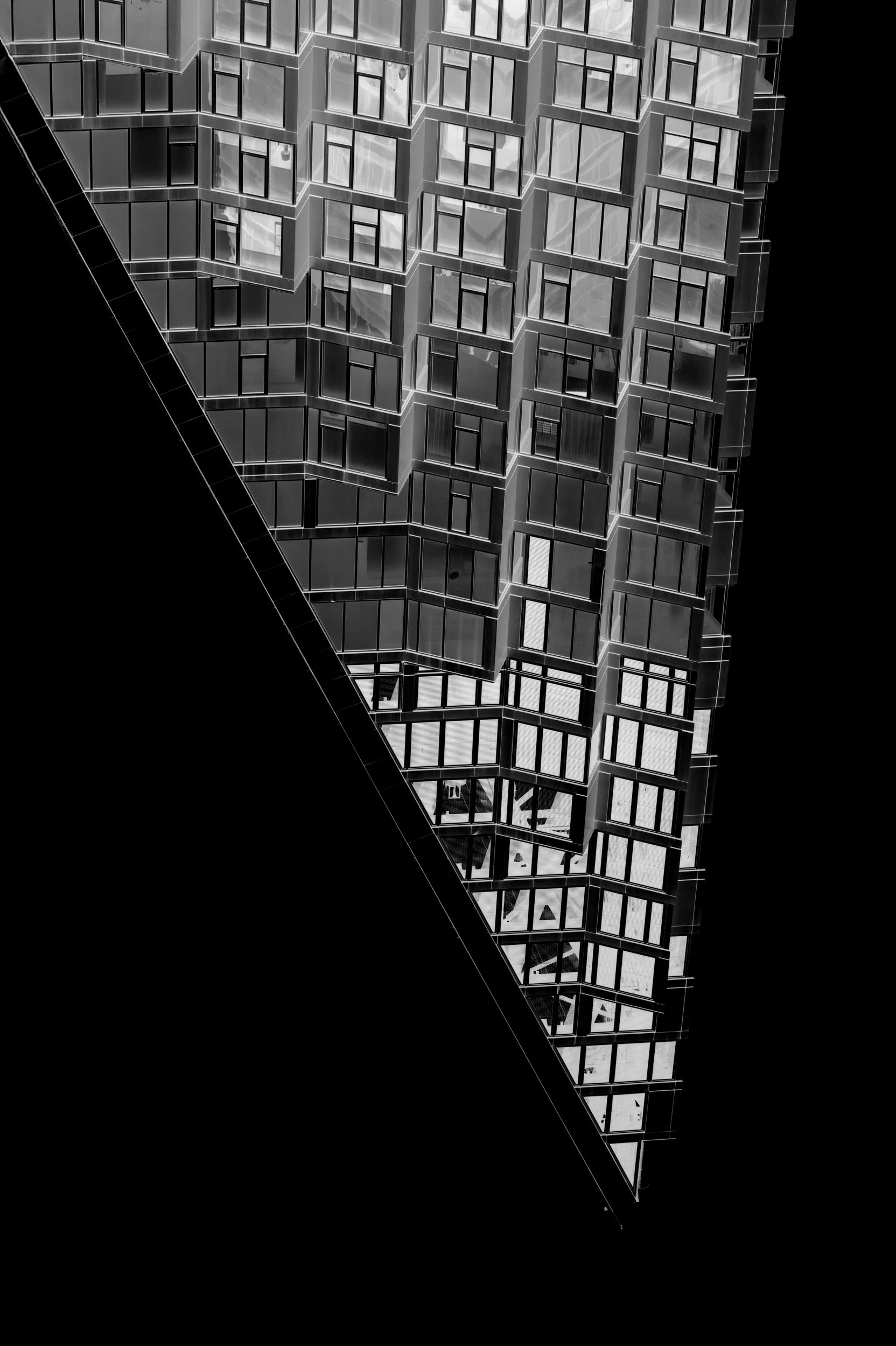
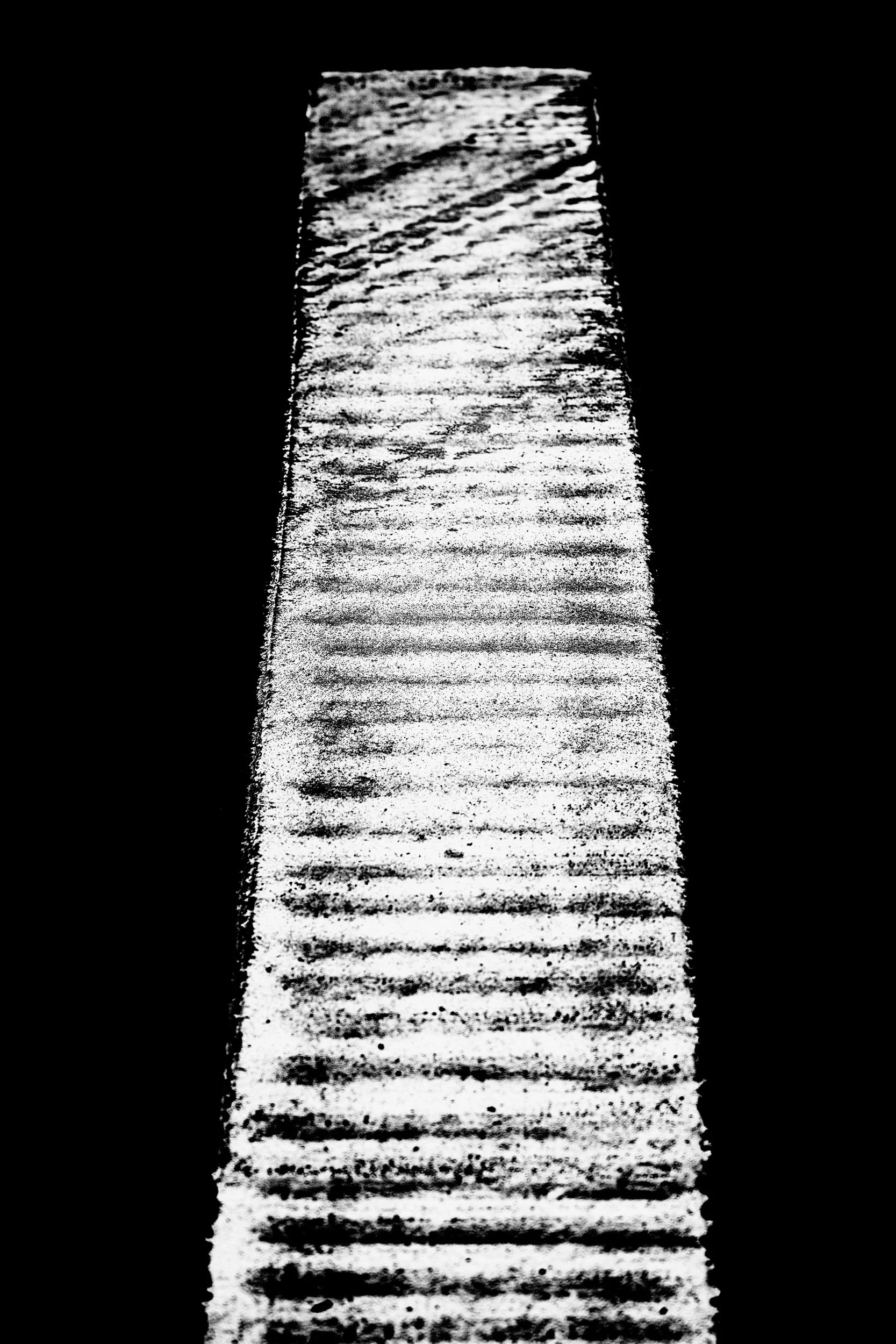
Shared Grammar explores the matching features that emerge from the built and manufactured world. Shifting between architecture and utilitarian objects, I strip these forms of context, color, and scale until old ways of grouping break down. Buildings become objects. Objects become monuments. What remains are surfaces, voids, edges, grids, and the space in between — a visual language.
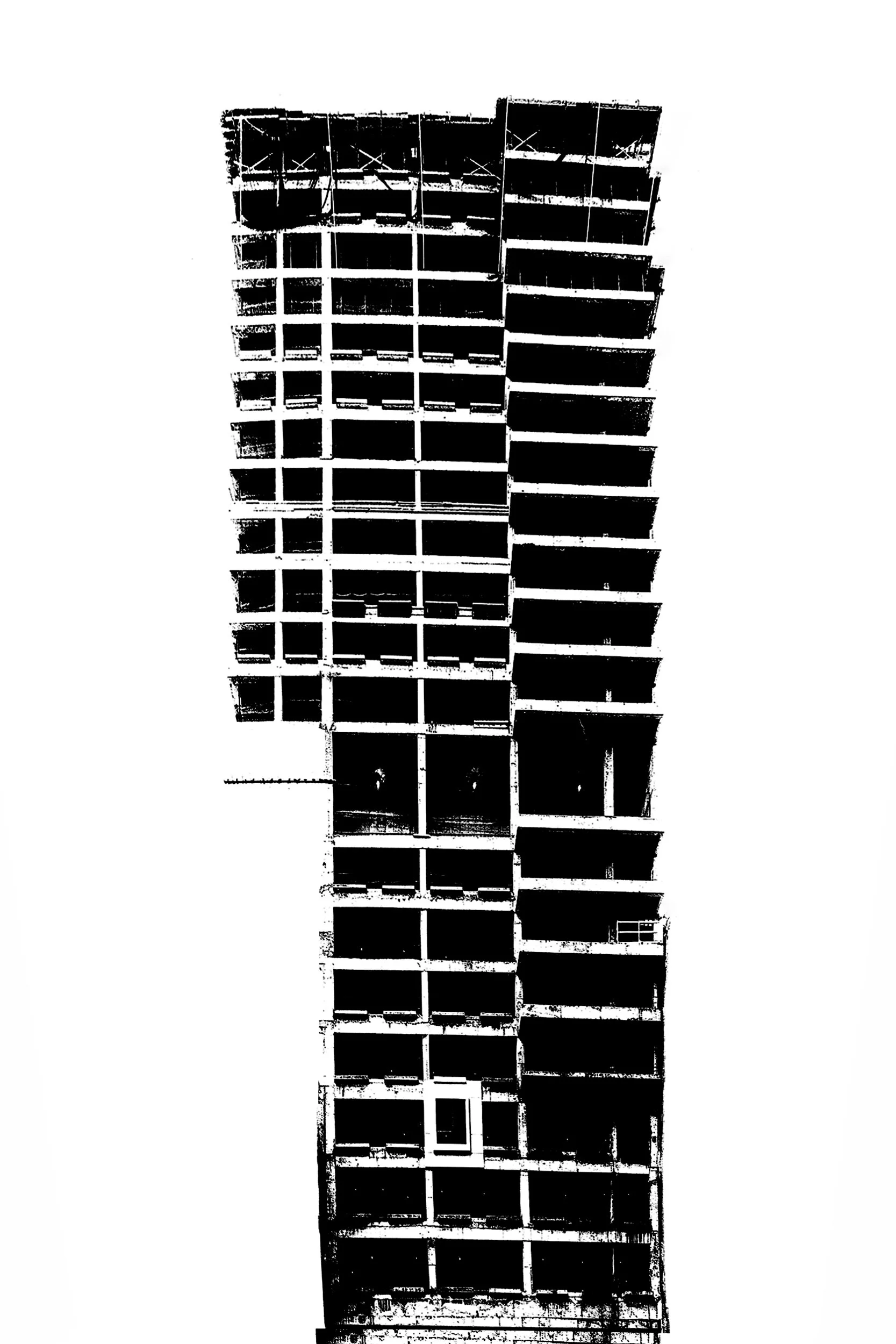
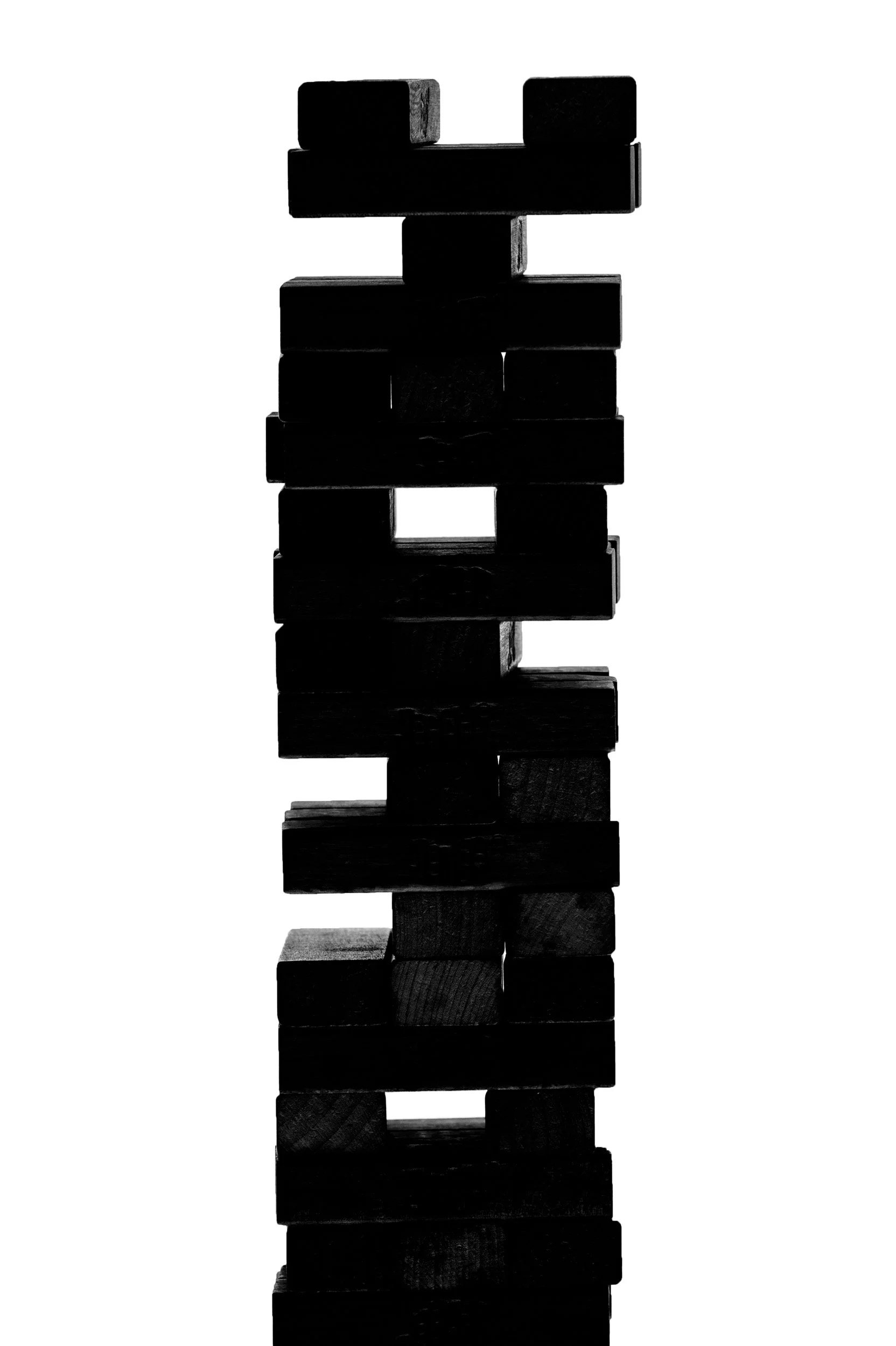
Every object in this work is paired with a building that shares its visual logic: a Jenga game beside a half-built building, a milk carton beside a housing block. I started noticing this grammar, shooting it as I found it. I compared a potato slicer to a two-tower building, and caught the same logic surface again in a cheese grater and a building that shared a gridded facade. The same repeating structure kept surfacing in things I wasn't supposed to look at twice, and once I began to see it, I couldn't stop. I'm still not sure why a rivet pattern and a window grid ask the same thing of my eye, only that I keep testing it.
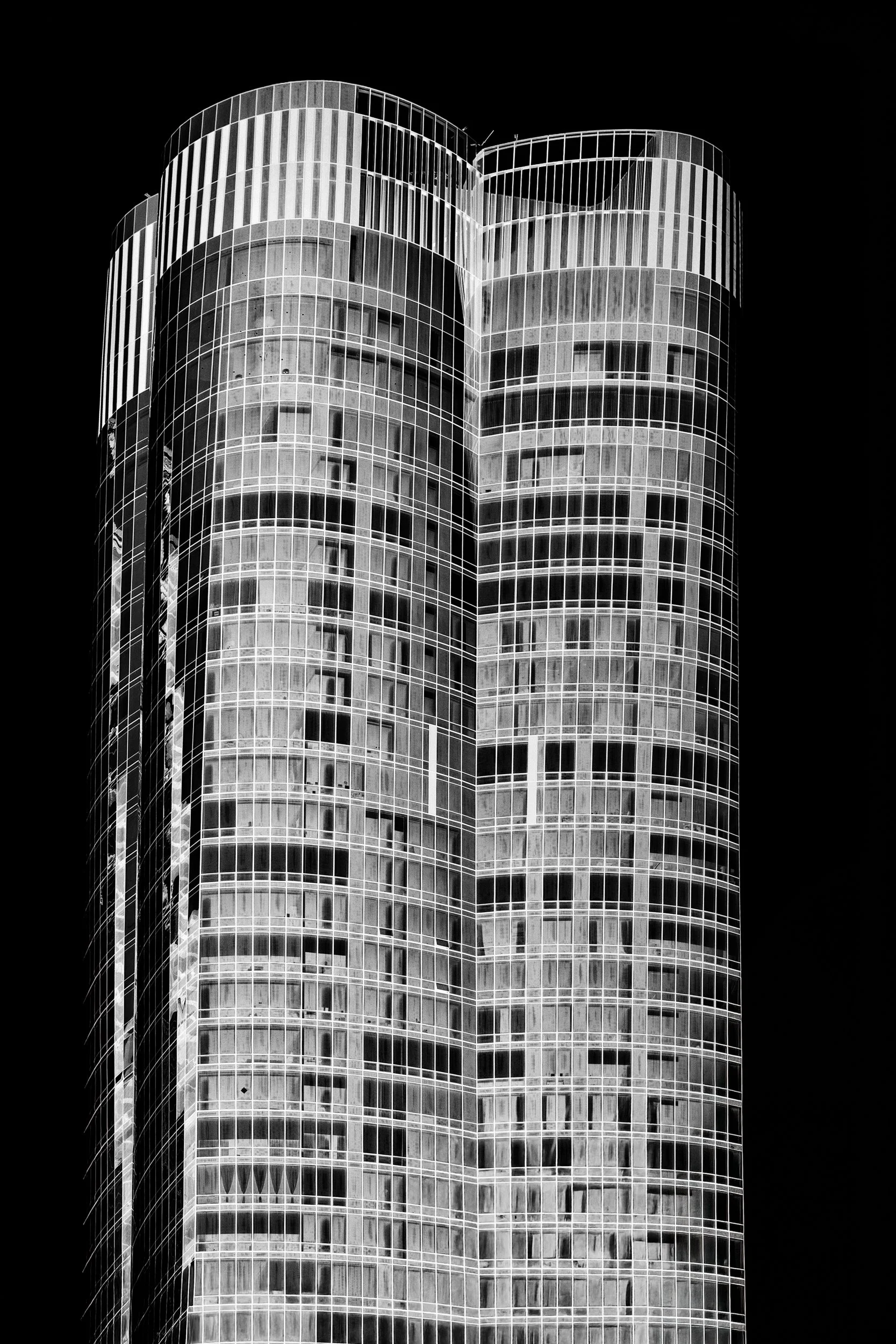
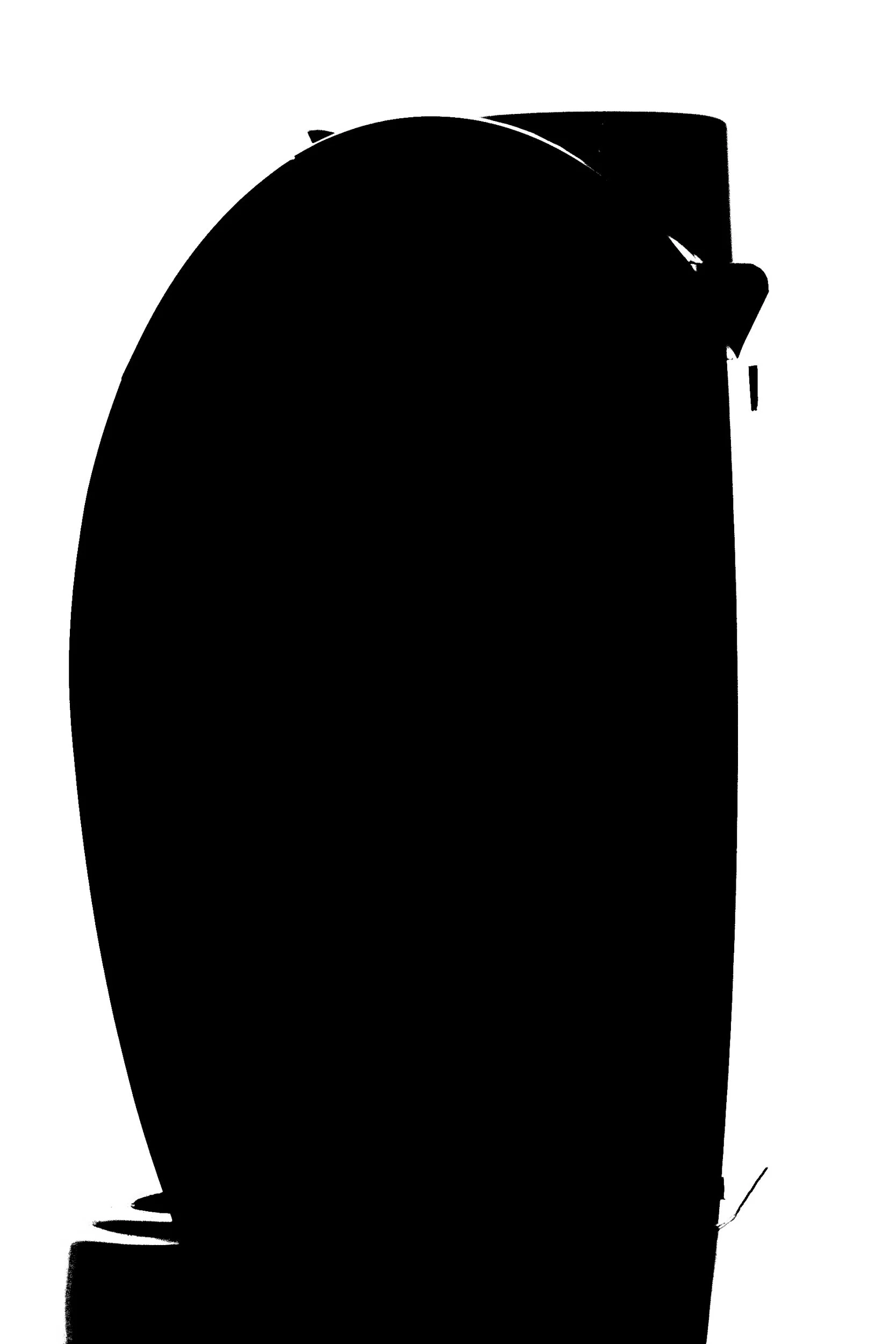
Light is central to this deconstruction. Rather than showing reality, I use contrast to flatten and transform it. Black becomes mass. White becomes erasure. Forms emerge from darkness while others dissolve into it, creating images closer to blueprints than portraits.
That split second where the eye processes the image, where it could still be either object or building, is what interests me. Strip away any color and context, and the same principles that read a grid of windows as "building" identify a grid of rivets or vents the same way. I capture that split second in one of two ways: tilting the camera until a form loses its footing, inspired by the Bauhaus idea that strange angles help us see things fresh; or meeting a form dead-on, closer to the New Objectivity photographers, who treated the object as an example worth studying. A building can undergo either treatment now, just as an object can.
None of this is really about buildings or objects. It's about how much of daily life we pass without notice. I'm trying to make that invisible architecture visible again, if only for as long as it takes to look at two photographs side by side. Immediate recognition gives way to deeper perception. If a window and a rivet hold your eye, the question I ask is: what have you missed or stopped seeing?